The Ultimate Travel Guide to Gilgit-Baltistan: Land of the Mighty Mountains

Nestled in the northernmost region of Pakistan, Gilgit-Baltistan is a breathtakingly beautiful destination where the mighty Karakoram, Hindukush, and Himalayan mountain ranges meet. Together, these ranges form some of the world’s highest mountains, including K-2 and Nanga Parbat, which attract mountain enthusiasts and adventurers from around the globe. These majestic peaks are not only a source of pride for the locals but are also a major contributor to the region’s tourism industry.

Apart from its impressive mountain ranges, Gilgit-Baltistan is also renowned for its natural beauty, cultural heritage, folk music, and delicious cuisine. The region is home to some of the most spectacular landscapes in the world, with deep valleys, crystal-clear lakes, and sprawling glaciers. The locals take great pride in their rich cultural heritage and are happy to share their traditions with visitors. The region is also famous for its traditional music, with instruments such as the rubab, surnai, and ghazhek adding a unique flavor to the local culture. When it comes to food, the region’s cuisine is a delightful mix of local and international flavors, with dishes such as chapshoro, momos, and dam pukhtak being particularly popular.

Gilgit Baltistan has many tourist destinations, attracting millions of visitors annually from within the country and internationally. Some of the most popular tourist destinations include Hunza Valley, Skardu, Gilgit City, Khaplu, and Shigar Valley. Each of these destinations has its unique charm and attractions, ranging from historic forts and palaces to picturesque landscapes and vibrant markets.

In this travel blog, I will provide information and tips that every visitor should consider before planning their trip, such as accommodation options, transportation, and local customs. Whether you are a nature lover, a culture enthusiast, or a foodie, Gilgit-Baltistan has something to offer for everyone, and I hope that this travel guide will help you make the most of your visit to this stunning region.

1. Fairy Meadows

Fairy Meadows is located in the Diamer District of Gilgit-Baltistan. It is a popular camping site and offers stunning views of the nearby Nanga Parbat Mountain. The Killer Nanga Parbat is the world’s ninth-highest mountain; visitors can trek to the mountain’s base camp and experience the stunning views of the surrounding peaks and glaciers. Visitors can hike to the meadow or take a jeep ride through the scenic terrain. The meadow is also home to many species of wildflowers and is a great spot for nature photography.

2K2 Base Camp

The K2 base camp trek is a dream adventure for thrill-seekers or outdoor enthusiasts. Located in the heart of the Karakoram Mountains range, this trek offers breathtaking views of some of the world’s highest peaks. The trek takes you through lush green valleys, snow-covered mountain passes, and glacial moraines. As you approach the base camp, you will feel a sense of awe and wonder at the sheer size and beauty of K2.

3Basho Meadow

Basho Meadow is a picturesque destination in the Skardu region of Gilgit Baltistan. Its lush green meadows and panoramic views of the surrounding mountains make it a popular spot for adventure seekers and nature enthusiasts. Visitors can enjoy various activities such as hiking, camping, and horse riding while enjoying the area’s natural beauty. The meadow is also home to diverse flora and fauna, making it a haven for wildlife lovers. Whether you’re looking for a peaceful retreat or an action-packed adventure, Basho Meadow is worth a visit

4Deosai National Park

Deosai National Park is located in the Skardu and Astore District of Gilgit-Baltistan. It is the second-highest plateau in the world and is known for its beautiful landscape and wildlife. Visitors can see various species of animals, such as the Himalayan brown bear, Himalayan ibex, snow leopard and the majestic view of the Sheosar Lake. The park is also home to many species of birds, such as the golden eagle and Himalayan snowcock.

5Sarfaranga Cold Desert

Sarfaranga Cold Desert is the world’s highest cold desert and a stunningly beautiful destination in the Shigar District of Gilgit-Baltistan. Majestic snow-capped mountains surround the vast desert. The desert is known for its unique landscape, which features dunes, rocky outcrops, and barren terrain. Visitors can enjoy camel rides, jeep safaris, and camping under the stars.

6Baltoro Glacier

Baltoro Glacier is one of the longest glaciers in the world and is located in the Karakoram Mountains range of Gilgit-Baltistan. Visitors can trek to the glacier and experience the stunning views of the surrounding peaks, such as K2 and Broad Peak. The trek can take several days and requires proper planning and equipment.

7Rakaposhi Base Camp

Rakaposhi Base Camp, located in the Nagar District of GB, is a mesmerizing destination for adventure enthusiasts and nature lovers. Located in the heart of the Karakoram range, the base camp offers breathtaking views of the majestic Rakaposhi peak, which stands at a towering height of 7,788 meters. Trekking to the base camp is an unforgettable experience that promises to leave you with memories that will last a lifetime.

8Shangrilla and Upper Kachura Lake

Shangrilla is a beautiful resort located in Skardu. It offers breathtaking views of the Karakoram Mountains range, lush green meadows, and a serene lake. The resort is surrounded by Lower Kachura Lake, a crystal-clear water body that adds to the place’s scenic beauty. Visitors can enjoy boating, making it a popular tourist spot.

The Upper Kachura Lake is a must-visit destination for nature lovers. The lake is situated at an altitude of 2,500 meters and is surrounded by dense forests and snow-capped mountains. The blue-green water of the lake is a sight to behold, and visitors can take a boat ride to explore its beauty. The lake is also a popular spot for fishing, and visitors can try catching brown trout.

Overall, Shangrilla and Upper Kachura Lake offer a perfect escape from the hustle and bustle of city life and are a must-visit for anyone traveling to Skardu

9Masror Rock

Masoor Rock Skardu is a stunning natural wonder in the Skardu District of Gilgit-Baltistan. It is a massive rock formation that offers breathtaking views of the surrounding landscape. The rock is a popular destination for adventure seekers and rock climbers who come worldwide to challenge themselves on its vertical face. For those who prefer a more leisurely experience, the rock can also be enjoyed from a distance while taking in the beauty of the surrounding area.

10Shandur Pass

Shandur Pass is a high mountain pass between the Chitral District of Khyber Pakhtunkhwa and the Ghizer District of Gilgit-Baltistan. It is known for its annual Shandur Polo Festival, held in the summer, and is a great way to experience local culture and sports.

11Rainbow Lake

Rainbow Lake in Astor is a stunning destination that offers visitors an unforgettable experience. The lake is in the heart of the Ocala National Forest, surrounded by breathtaking natural beauty. With crystal clear water and various fish species, it is a popular spot for fishing and boating enthusiasts. Additionally, the area around the lake is perfect for hiking and camping, making it a great destination for outdoor lovers

12Khunjerab Pass

Khunjerab Pass is a high mountain pass located on the border between Pakistan and China. It is the world’s highest paved international border crossing, known for its stunning scenery and challenging terrain. Visitors can enjoy the stunning views of the surrounding peaks and glaciers and experience the unique culture of the local communities.

13Attabad Lake

Attabad Lake is located in the Hunza District of Gilgit-Baltistan. It was formed in 2010 after a landslide blocked the Hunza River. The lake is known for its beautiful turquoise color and is a popular spot for boating and fishing. Visitors can also enjoy the stunning views of the surrounding peaks, such as Passu Cones and glaciers.

14Khamush Waterfall

Khamush waterfall, located in the Kharmang district of Gilgit-Baltistan, is a hidden gem waiting to be discovered by adventurous travelers. The waterfall cascades down from a height of 200 feet and offers stunning views of the surrounding mountains and forests. Visitors can enjoy a refreshing swim in the cool, clear water or relax and soak in the area’s natural beauty. With its tranquil atmosphere and picturesque setting, Khamush waterfall is a must-visit destination for nature lovers and thrill-seekers alike

15Historical Forts

Gilgit Baltistan is a region rich in history and culture, with many historical forts that offer a glimpse into the past. One of the most famous forts is Baltit Fort, located in the Hunza Valley, which dates back to the 8th century. Another impressive fort is the Altit Fort, also located in the Hunza Valley and dates back to the 11th century. The historic Khaplu Palace, located in the Khaplu Valley, is another must-visit site, with a rich history dating back to the 17th century.

Kharphocho Fort, located in the Skardu Valley, is another popular attraction. Finally, the Shigar Fort, located in the Shigar Valley, is another historical gem that dates back to the 17th century and is now converted into a heritage hotel.

16. Skardu Valley

Skardu is the capital of the Baltistan Division and is located on the banks of the Indus River. It is known for its scenic beauty and adventure sports. Visitors can go trekking, hiking, and mountaineering in the nearby mountains, such as K2 and Broad Peak. They can also explore the historic Kharpocho Fort on a hill overlooking the city and many more stunning places waiting for tourists.

17Hunza Valley

The Hunza Valley is one of the region’s most picturesque valleys. It is known for its breathtaking landscapes, crystal-clear rivers, and stunning snow-capped mountains. The valley is also famous for its apricot blossom, which blooms in spring. Visitors can enjoy trekking, hiking, mountaineering in the Hunza Valley and exploring the traditional Baltit and Altit forts.

18. Naltar Valley

The Naltar Valley is located in the Gilgit District of Gilgit-Baltistan. It is known for its scenic beauty and skiing facilities. Snow-capped mountains surround the valley, home to many small lakes. Visitors can enjoy skiing in the winter season and can also go hiking and trekking in the summer season.

19. Kachura Valley

Kachura valley is a stunning destination located in the Gilgit-Baltistan region of Pakistan. The valley is known for its crystal-clear blue waters, beautiful landscapes, and scenic views of the surrounding mountains. Soq Valley of the Kachura is a peaceful place with a soothing vibe. Visitors can enjoy various outdoor activities such as trekking, camping, and boating. The valley is a must-visit destination for nature lovers and adventure enthusiasts.

20. Shigar Valley

Shigar Valley is located in the Baltistan Division of Gilgit-Baltistan. It is known for its historic Shigar Fort, which has now been restored and turned into a hotel where visitors can experience the traditional Balti architecture and culture. The valley is also famous for its fruit orchards and popular for camping and trekking. The valley is also known as the land of mighty mountains, home to four of the fourteen highest peaks in the world, with heights above 8000 meters.

21. Astore Valley

Astore Valley is located in the Diamer Division of Gilgit-Baltistan. It is known for its scenic beauty and is a popular spot for trekking and camping. Visitors can explore the nearby Rama Lake, surrounded by snow-capped mountains, or the Chilam Joshi Festival celebrated in the summer, a great way to experience the local culture. Domel and Minimarg will give you the vibe of heaven on earth.

22. Phander Valley

Phander Valley is located in the Ghizer District of Gilgit-Baltistan. It is known for its beautiful Phander Lake, surrounded by lush green meadows and snow-capped mountains. Visitors can enjoy fishing in the lake, and the valley is also a popular spot for camping and trekking.

23. Nagar Valley

Nagar Valley is a scenic destination located in the Gilgit-Baltistan region. The valley is known for its stunning landscape, pristine lakes, and lush green forests. The valley is a paradise for nature lovers and adventure seekers, offering trekking, camping, and rock-climbing activities. The locals’ vibrant culture and hospitality add to Nagar Valley’s charm.

24. Khaplu Valley

The Khaplu Valley is located in the Ghanche District of Gilgit-Baltistan. The valley is famous for its ancient buildings and monuments, such as the Khaplu Palace, built in the 19th century. Visitors can also explore the Chaqchan Mosque, one of the region’s oldest mosques, and the Khaplu Sailing, a popular picnic spot where you can taste fish foods.

25. Gilgit City

Gilgit City is the administrative center and the capital of the Gilgit-Baltistan region. It is located on the banks of the Gilgit River and is known for its lively bazaars and vibrant culture. Visitors can explore the historic Kargah Buddha, a 7th-century rock carving of Buddha, and the Gilgit Fort, built in the 16th century. The city is also a great base for exploring nearby tourist destinations.
Gilgit Baltistan Travel Guide: Travel Pakistan’s Northern Areas

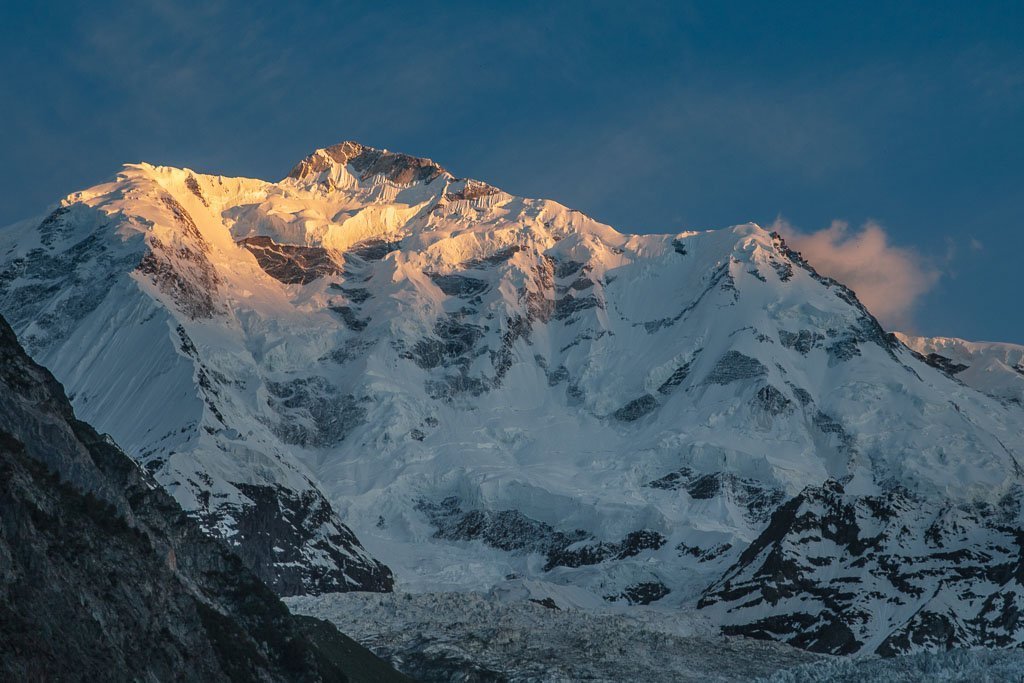
Gilgit-Baltistan, located in the northernmost region of Pakistan, is a paradise for nature lovers and adventure seekers. Surrounded by the majestic Karakoram and Himalayan ranges, this region offers a blend of breathtaking landscapes, rich culture, and warm hospitality that leaves visitors spellbound. The raw beauty of towering peaks, turquoise lakes, and glacier-fed rivers makes it a dream for photographers and explorers. Whether you’re looking for adventure or peace, Gilgit-Baltistan has something for everyone. It’s not just a destination—it’s an unforgettable experience.

Hunza Valley is one of the most iconic spots in the region, known for its panoramic views, historic forts, and the peaceful Attabad Lake. Karimabad, the cultural heart of Hunza, boasts ancient architecture like Baltit and Altit forts, surrounded by apricot orchards. The people here are incredibly hospitable, making travelers feel at home. The valley transforms in every season—lush green in summer, fiery red and orange in autumn. Hunza is where modern comfort meets traditional living.

Pakistan, Gilgit Baltistan, Gilgit-Baltistan, GB Pakistan, Northern Areas, Rakiposhi, Nagar Valley, Nagar, Nagar Pakistan, Gilgit district, Rakiposhi sunset, Karakoram, Karakoram Mountains, KKH, Karakoram Highway, Gilgit Baltistan photos, northern areas, FANA, Gilgit Baltistan travel, gilgit Baltistan travel guide

Skardu is another jewel, often called the gateway to mighty peaks like K2, Broad Peak, and Gasherbrum. With serene lakes like Shangrila, Sheosar, and Satpara, it’s a base for trekkers and mountaineers. Don’t miss out on visiting Shigar and Khaplu Forts—both beautifully preserved and full of history. The region is also known for its organic food and fresh mountain air. For photographers and hikers alike, Skardu offers the perfect escape.

Fairy Meadows, located at the base of Nanga Parbat, is often hailed as one of the most beautiful places on earth. The name itself evokes a sense of wonder, and the reality is even more magical. The meadow is best reached via a thrilling jeep ride and short trek, rewarding travelers with panoramic views and alpine serenity. Camping here under a blanket of stars is an experience like no other. It’s peaceful, surreal, and completely disconnected from the modern world.

For those who want to explore lesser-known areas, villages like Gupis, Phander, and Yasin in Ghizer offer unspoiled natural beauty and cultural richness. These valleys remain under the radar for most tourists, which adds to their charm. Here, you’ll find crystal-clear rivers, wooden houses, and welcoming locals eager to share stories. Traveling through these places allows you to witness the true essence of GB life. It’s slow travel at its finest.

Gilgit-Baltistan: in Skardu and Gilgit, you truly get to appreciate nature  - Perspectives - Business Recorder

The best time to visit Gilgit-Baltistan is between May and October, when the skies are clear and the roads are open. From festivals like Jashn-e-Baharan to the rich Balti and Wakhi cuisines, the region offers a full cultural experience. While Urdu and English are spoken in major towns, learning a few local words goes a long way in rural areas. Always respect the local traditions and dress modestly when visiting remote villages. Gilgit-Baltistan is not just about the views—it’s about the people, the culture, and the unforgettable journey through the mountains.

8 Reasons to Visit Pakistan’s Gilgit-Baltistan

Around Borith Lake near Passu Glacier, Hunza Valley, Gilgit-Baltistan, Pakistan

When we think about Pakistan, people generally have impressions of terrorism, natural disasters, poverty, and many other negative connotations. However, setting these aside, we also have visions of natural beauty, friendly people, tasty food, colourful festivals, lasting traditions, and many more.

I recently planned a trip to northern Iraq. Due to increased insurgence in the area, I decided to change direction to northern Pakistan. I figured that Pakistan was relatively safer than northern Iraq at the time. While much of Pakistan is not necessarily safe at any time, I decided to let the good triumph over the bad, so I embarked on my Pakistan excursion.

MAP-Gilgit-Baltistan-Pakistan

While Pakistan is a very diverse country with great natural beauty, it is the mountainous region in the north which has always captured my imagination. At the confluence of three mountain ranges: the Himalayas, the Karakoram, and the Hindu Kush, lies Pakistan’s northernmost region – the autonomous territory of Gilgit-Baltistan.


Why Travel to Pakistan’s Gilgit-Baltistan Region?

  • The low-down: This region is likely the most diverse and beautiful region of Pakistan, filled with deep valleys and spectacular mountains, glaciers and lakes. It is fairly safe (2022) so just do it.
  • The brightest highlight:  So many highlights in this region, but if I must choose the best, then it is reaching the basecamp of Nanga Parbat (8,126 m) and spending a few days at “Fairy Meadows”. It is not the destination, but the journey to get there on an old jeep for the 12 km road trip which is listed as one of the scariest road tracks in the world. Watch my video: The Scariest Road I Have Ever Driven On.
  • Intrepid destination: Oh absolutely. Much of Pakistan remains off the beaten track to foreign travellers and it is easy to escape the local tourists too.
  • GlobeRovers score (10 is the highest): Great adventure around every corner so the GlobeRovers Score is 9.3 out of 10.

To the north-northwest of Gilgit-Baltistan lies a small portion of Afghanistan’s Wakhan Corridor “pan-handle”. Tajikistan is just a short hop north across the Wakhan Corridor. To the north-northeast is the wild frontier of China’s Xinjiang Uyghur Autonomous Region. The Indian-administered Jammu and Kashmir borders to the southeast, and further south are the Pakistani-administered states of Azad Jammu and Kashmir. Geographically this region is untamed, remote, and perfectly suited for the intrepid traveller!

A remote mountainous region in the far north of Pakistan known for high snow-capped peaks, glaciers, lakes, rivers and more.

Here are 8 thrilling reasons for visiting Pakistan’s Gilgit-Baltistan Region:


The Mountains

Gilgit-Baltistan is best known as the home of many of the world’s highest mountain peaks. Five of the “eight-thousanders” (peaks above 8,000 m) are located in the region, with another 50+ peaks above 7,000 m. The planet’s second highest peak, K2 (Mount Godwin-Austen), is located here, while the most feared peak among mountaineers, Nanga Parbat, is also in the region.

The main mountain ranges are the Karakoram and the western Himalayas. Further north along Afghanistan’s Wakhan Corridor and Tajikistan lie the Pamir Mountains, while the Hindu Kush (home of Tirich Mir Peak at 7,708 m) lies to the northwest along the Afghanistan border. Nanga Parbat (8,126 m) is in the Diamir District, while east along the western Himalayas in the Skardu District is some incredible mountain scenery.

Other high peaks are K2 (8,611 m), Broad Peak (8,051 m), the Gasherbrums (7,932 – 8,080 m), and Masherbrum (7,821 m).

Scenery near Passu Glacier, Upper Hunza Valley, Gilgit-Baltistan, Pakistan

The Glaciers

In addition to the majestic snow capped peaks dotting the landscape of Gilgit-Baltistan, the region is also known for its spectacular glaciers. In fact, three of the world’s longest glaciers outside the North and South Polar regions can be found in Gilgit-Baltistan: the Biafo Glacier (67 km), the Baltoro Glacier (63 km), and the Batura Glacier (57 km). The International Centre for Integrated Mountain Development (ICIMOD) estimates that Pakistan is home to around 5,218 glaciers with a total coverage of about 15,000 sq. km.

Most of the glaciers are located in the Karakorum Mountain range with almost 37% of the area being under glacial ice.

Walking on Minapin Glacier at Rakaposhi Base Camp, Hunza Valley, Pakistan
Walking on Minapin Glacier at Rakaposhi Base Camp, Hunza Valley

Siachen Glacier (76 km), the world’s second longest glacier, is located in Indian-claimed territory and runs along the disputed India-Pakistan line of control in the eastern Karakoram Mountain range. The glacier’s altitude ranges from as high as 5,753 m at its head at Indira Col and down to 3,620 m in the lower reaches at the China border. The world’s third longest glacier, the Biafo Glacier, also lies in the Karakoram Mountain range. And the list goes on with many more of the world’s greatest and longest glaciers located across the region.

These glaciers are enormous sources of fresh water. The melting glaciers feed fresh water to more than 60 large and small rivers in Pakistan. As the glaciers are retreating due to climatic changes and global warming, their beauty won’t be around forever! Some conservative estimates are that these glaciers will retreat by another 40-60 metres over the next decade.

Passu Glacier, Upper Hunza Valley, Gilgit-Baltistan, Pakistan
Passu Glacier, Upper Hunza Valley

The Glacial Lakes

Looking to swim in a glacial lake? Pakistan is the place! It is estimated that Gilgit-Baltistan is home to more than 2,000 glacial lakes – many that have not been explored.

Some of the most impressive high-altitude lakes are located in the eastern Skardu area: Sheosar Lake, Satpara Tso Lake, Katzura Tso Lake, and Phoroq Tso Lake. Also, Biafo Glacier (the world’s third longest at 67 km) meets the Hispar Glacier (49 km) at the famous Snow Lake at a height of 5,128 m. This created the world’s longest glaciated highway (100 km) which stretches from Askole in the Shigar Valley all the way to Hispar in the Nagar Valley of Gilgit Baltistan.

At Lake Saiful Muluk (1h 15 min from Naran by Landrover), Kaghan Valley, Pakistan
At Lake Saiful Muluk
Attabad Lake, Hunza Valley, Pakistan
Attabad Lake, Hunza Valley

The Petroglyphs

Interested in ancient rock art and petroglyphs? Gilgit-Baltistan has it and some are very easily accessible from the famous Karakoram Highway (KKH).

Some geologists estimate that more than 50,000 pieces of petroglyphs and rock inscriptions are dotted along the KKH in the Gilgit-Baltistan region. Most are concentrated at ten major sites along the 280 km route between Shatial in the south and the Hunza Valley to the north.

Created by pilgrims, traders, invaders and locals alike, some of the earliest carvings date back to between 5000 BC and 1000 BC. Likely carved with stone tools, the carvings include drawings of humans, animals, and people hunting animals.

The Haldeikish Sacred Rocks Petroglyphs of Hunza, Lower Hunza Valley, PAKISTAN

The People

The total population of the Gilgit-Baltistan region is over two million souls. Due to the historic isolation of valleys separated by inaccessible mountains, the region developed people that are very diverse linguistically, ethnically and adhering to many religious sects.

The main religious groups include the Shias (35%), Sunnies (35%), Ismailis (25%), and the Noorbakhshia (5%). The ethnic groups include the Shins, Burushos, Yashkuns, Kashmiris, Kashgaris, Pamiris, Pathans, and the Indus Kohistanis.

Most people in the region speak Urdu which is the lingua franca of the region. Other common languages are Balti, Shina, Burushaski, Khowar, Wakhi, and to a lesser extent, Punjabi, Pashto, Kashmiri Domaaki and Gojri.


The Desert

Gilgit-Baltistan is home to the Skardu Desert which is known as the world’s highest and coldest desert where winter temperatures can dip down to -25°C. At an altitude of more than 3,000 m, few people venture into this remote area.

It has been described as “a desert surrounded by a valley that is covered with lush green vegetation where you can walk around a green paradise which suddenly meets a barren desert from where you can see the snow-capped mountain peaks towering high above miles of sand dunes”.

Pakistan, Sarfranga Cold Desert, Shigar Valley on the outskirts of Skardu.
Sarfranga Cold Desert, Shigar Valley on the outskirts of Skardu. (Photo source: induscaravan.com)

The Fruits

Gilgit-Baltistan produces about 75% of Pakistan’s apricots. Other succulent fruits grown here are cherries, apples, plums, peaches, blueberries, mulberries, honey melons and almonds. Many are sold and exported as dried.

Cherries, Hunza, Lower Hunza Valley, PAKISTAN
Cherries, Hunza, Lower Hunza Valley

The Festivals

As polo is the most popular sport in Gilgit-Baltistan, one of the best festivals to attend is the annual three day “Polo on the Roof of the World” (also known as the “Shandur Polo Festival of Pakistan”) held during the second week of July.

The matches are played in the town of Skandur Top between the home teams of Gilgit and Chitral as well as teams from other regions. Situated at 3,719 m, it is the highest, and likely the most remote, polo grounds in the world. The polo festival also includes local folk music and dancing. Accommodation is available in a temporary camping village.

Shandur Polo Festival
Shandur Polo Festival (Photo source: baltoroadventures.com)

However, for those of us more interested in colourful folky festivals with an abundance of photographic opportunities, head 360 km west to the town of Chitral near the border of Afghanistan. The town of Chitral is located in the Khyber-Pakhtunkhwa province immediately west of Gilgit-Baltistan.

The Kalash people, a Dardic indigenous group of the Indo-Iranian branch, speak the Kalasha language and are adherents of Islam and their own Kalash religion. The Kalash people are known for their festivals adorned with colourfully dressed beautiful women. The four main festivals of the Kalash are the Joshi festival (May), the Phoo and Uchau festivals (autumn), and the Chawmos festival (midwinter).

Pakistan Kalash Choimus Festival
Kalash Choimus Festival (Photo source: baltoroadventures.com)
